Several years ago I discovered that I was an introvert after doing a personality test (Myers-Briggs). That was a very enlightening moment for me because I had always wondered when compared to some of my friends, why I was so sensitive, took things very seriously or personally, preferred my own company and felt overwhelmed when I had too many people around me or when in social settings. Understanding this aspect of my personality led me to explore the concept of introversion.
Over the years I am still learning and accepting that there is nothing wrong with “being” me, quirks and all. I am also accepting that I am not anti-social, or as someone once said to me, ” You don’t love people.” Living in a fast paced world among extroverts sometimes can be overwhelming for me.
Embracing my introversion has been a journey of self-acceptance.
Some weeks ask us to be louder, busier, and more available than we want to be. National Introverts Week offers the opposite. It gives people like me, room to breathe, pull back, and stop apologizing for needing peace. This celebration acknowledges the beauty of introversion and the unique strengths that come with it.
This observance takes place during the third full week of March each year. In 2026, listed dates are March 16 through March 22. It was started by Matthew Pollard, and many sources trace its beginning to 2018. World Introvert Day, which occurs in January, is distinctly different from this celebration.
Introversion still gets treated like a problem to fix, but it is not. Psychologist Carl Jung explored these concepts in analytical psychology, which looked at ‘personality’ types. So for all of us who have ever felt drained by noise, packed calendars, or pressure to “come out of your shell,” this week can feel like a hand on our shoulder saying, “You’re fine as you are.” It’s also a good time to rest, reflect, and accept the way God wired you.
What National Introverts Week is and why it deserves more attention
National Introverts Week is a simple idea with real weight behind introversion. It celebrates introverts, clears up old myths, and reminds people that quiet traits have value. That may sound small, but in a world that often rewards extroverts, the loudest voice in the room, it’s no small thing at all.
According to National Today’s 2026 listing, the week highlights introverts’ strengths and challenges stereotypes that extroverts always get ahead. National Day Calendar’s overview makes a similar point. The message is clear: being introverted does not mean being weak, antisocial, or less capable.
This week deserves more attention because introverts often spend years trying to look more outgoing than they feel. I have done this myself over the years, and ended feeling like I was not being true to myself, and just feeling plain tired! Many of us learn to smile through overstimulation, attend one more event, or talk when we would rather think. After a while, that kind of strain can impact mental health. National Introverts Week gives people permission to stop performing. Hallelujah!
It also shines a light on personality traits that are easy to miss, such as active listening and deep thinking. Introverts often listen closely. We tend to think before speaking, and notice what others skip. In work, family life, ministry, and friendship, those are not second-place qualities, as Matthew Pollard highlights in The Introvert’s Edge. They are steady strengths, and steady strengths build strong lives.
The common myths that keep introverts misunderstood
The biggest myth is that introverts are just shy. Some are shy, yes, but shyness and introversion are not the same thing. As Carl Jung originally defined these personality types, shyness stems from fear of social judgment, while introversion is more about energy. I think for me, both are true. Many introverts enjoy people, but are often more sensitive to sensory stimuli, and too much social time drains them. Taking a personality test can help individuals understand their energy needs.
Needing quiet isn’t a flaw, it’s how many people recharge.
Another myth says introverts don’t make good leaders. That one needs to go. For many years I believed this, and doubted that I could be effective as a leader, and therefore did not volunteer for any such roles, but told myself I am more a “follower.” Successful introverts often lead as thoughtful problem-solvers, prepping well and avoiding rash choices. They may not dominate a room, but they can steady one. If you’ve spent enough years around family, church groups, or work teams, you know this is true.
A thoughtful look at common misconceptions about introverts points out that introverts can thrive in leadership, public speaking, and relationships. They often do best when they have time to prepare and recover. The concept of an ambivert, who falls somewhere in between, provides broader context for social energy. That makes perfect sense. Even a strong lamp needs power behind it.
Some people also confuse solitude with loneliness. Those are not twins. Solitude can be healing. It can be the place where your mind settles and your spirit catches up with your body. There is a time to speak and a time to be still, and many women have earned the right to know the difference.
When we stop treating quiet as lack, we start seeing introverts clearly. That shift helps everyone, not only introverts.
How to celebrate National Introverts Week in a way that feels good
You do not need a party to honor National Introverts Week. In fact, that would miss the point for many people. A better way to celebrate is to choose what restores you and do it without guilt.
If you’re an introvert, start with your calendar to recharge your social battery. Trim one draining commitment if you can. Protect an hour for reading, prayer, journaling, walking, or simple silence. Consider taking a break from social media too. Those moments are not wasted time. They are the deep breath before the next step.
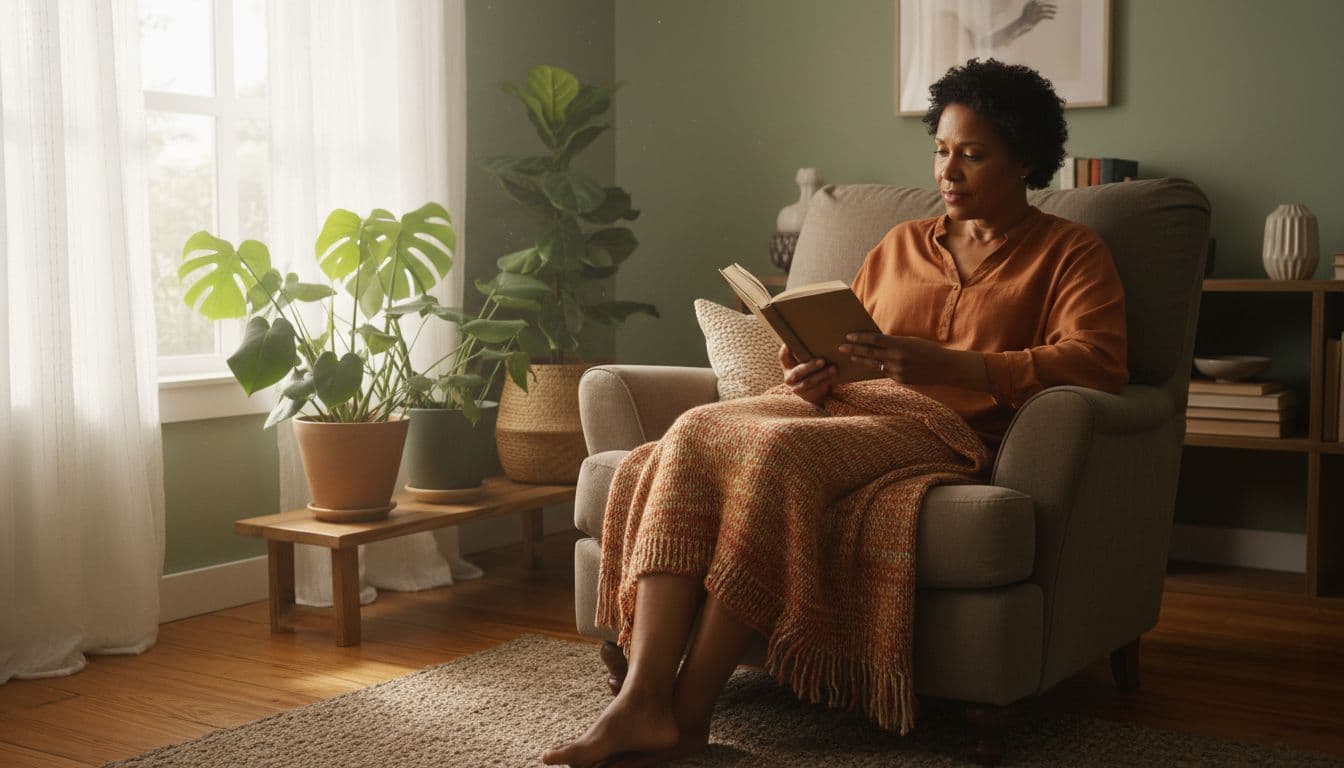
For women in midlife and beyond, this message can hit home. By 50, many of us have spent years caring for others first. We’ve been useful, available, and on call. So a week like this can feel like permission for self-care, to close the door, embrace solitude, and stop explaining ourselves. The reflection in Sixty and Me on introversion after 60 speaks to that quiet power well, much like Susan Cain’s insights.
If you’re not an introvert, you can still join in. Listen more. Stop labeling quiet people as distant. Leave space in conversations. Invite, but don’t push. Extroverts can show love by respecting someone’s need for calm. Introverts often bring empathy and compassion to professional spaces, supporting everyone’s mental health.
National Introverts Week is not about hiding from life. It’s about living honestly within your design, as Matthew Pollard encourages. Learning about your design through a personality test can be a great growth exercise just like it was for me. Consider online therapy as a tool for your mental health too. That is a healthier goal than pretending to be someone else.
In the end, the week asks a gentle but important question: what if quiet is not a weakness, but a gift? For many people, the answer has been there all along. National Introverts Week simply helps us say it out loud, softly and without shame, so embrace the week as your moment to celebrate your strong, unique, quiet self.
I always keep my Promises!
Have you ever done a personality test? If yes, which one? Do you consider yourself an introvert or an extrovert? Or, are you blend of both, and considered an ‘ambivert.’ Let’s chat.
Mastering Self-Care: 16 Essential Practices for Vibrant Mature Women